Padel foot care: sweaty feet, blisters and athlete's foot
Stops, lunges and snug court shoes make feet sweat, rub and blister. Here's a simple routine for before and after matches, and which products reduce sweat or treat athlete's foot, sourced to drug labels and dermatology guidance.
Sponsored by Dryello. Read the disclosure. Last reviewed September 25, 2026.
Quick answer
Padel is hard on feet: constant stops, lunges, and direction changes in snug court shoes make feet sweat, and damp socks raise friction, blister risk, and the odds of athlete's foot. The routine that helps: start with clean, completely dry feet, use a foot antiperspirant if sweat is your main issue, wear moisture-wicking socks, bring a spare pair for long sessions, let shoes dry fully between matches, and wear slides in club changing rooms. Itchy, peeling skin between the toes is likely athlete's foot, which needs an antifungal such as tolnaftate. Our sponsored picks are Dryello's foot antiperspirant stick for sweat and Dryello's tolnaftate stick for athlete's foot.
Key takeaways
- The soles are one of the most common places for excessive sweating (AAD), and court shoes trap it.
- Wet socks increase friction, which makes blisters more likely. Moisture-wicking socks and good fit are the first fix (AAD).
- An antiperspirant reduces sweat. Powders mostly absorb it. Deodorants only address odor (AAD).
- Athlete's foot is caught from damp floors and shared items, then thrives in sweaty shoes (AAD, MedlinePlus).
- Never put antiperspirant on blisters, cracks, or broken skin.
- Dryello is featured first because it sponsors this article. We didn't test any product.
Why padel is tough on your feet
Padel looks gentle next to tennis, but your feet do a lot of work. A typical point involves quick split steps, short sprints to the glass, hard stops, and lunges low to the ball, repeated for an hour or more. Padel shoes are built snug with reinforced sidewalls for lateral support (our guide to choosing padel shoes covers why), which is great for your ankles but leaves little room for air to move. Many courts are artificial turf, which can run warm in the sun.
All of that adds up to sweaty feet. The American Academy of Dermatology (AAD) lists the soles alongside the palms and underarms as the areas where excessive sweating most often shows up, so some players are simply more prone to it. Once socks are wet, three problems follow:
- Friction and blisters. The AAD explains that blisters form from chafing, and that preventing chafing prevents blisters. Damp skin rubs more, and a Cleveland Clinic podiatrist notes that people with sweaty feet tend to be more prone to blisters.
- Odor. Sweat itself doesn't smell much; odor develops when skin bacteria break it down inside a warm shoe.
- Athlete's foot. MedlinePlus says the fungus thrives in warm, moist areas and lists closed shoes, keeping feet wet for long periods, and sweating a lot as risk factors.
Sweat, blister, or athlete's foot?
| What you notice | Most likely | What usually helps |
|---|---|---|
| Damp socks and feet sliding inside the shoe, no rash | Heavy foot sweating | Moisture-wicking socks, foot antiperspirant, drying shoes between sessions |
| A tender hot spot or fluid-filled bubble where the shoe rubs | Friction blister | Stop and protect it; better sock and shoe fit; keep skin dry (AAD) |
| Itching, burning, peeling, or cracking between the toes | Possibly athlete's foot | OTC antifungal such as tolnaftate, clotrimazole, or terbinafine |
| Swelling, warmth, red streaks, pus, or fever | Possible bacterial infection | See a clinician promptly (MedlinePlus) |
A before-and-after-match foot routine
Before you play
- Wash and completely dry your feet, including between the toes. The AAD recommends washing daily and drying fully.
- If sweat is the problem, apply a foot antiperspirant to clean, dry, unbroken skin, following the label.
- Put on moisture-wicking socks. The AAD says to look for "moisture wicking" on the label and to avoid cotton for sweaty activity, since cotton holds moisture.
- Check the fit. The AAD notes shoes shouldn't be too tight or too loose, and the Cleveland Clinic advises breaking in new shoes before long sessions.
- Cover known hot spots before they become blisters. The AAD suggests powder or petroleum jelly on problem areas to reduce friction.
During long sessions and tournaments
- Bring a spare pair of socks and change when they're wet. The AAD advises changing socks more often when they get wet.
- Shake out any sand or grit that gets into shoes between sets. Anything loose inside the shoe adds friction.
- Stop and deal with a hot spot right away. The AAD says to stop activity if you feel pain or see redness where something rubs.
After you play
- Take your shoes out of the bag as soon as you get home, pull the insoles, and let everything air-dry.
- Rotate two pairs if you play several times a week. The AAD recommends alternating shoes so each pair is dry when you put it on.
- Wear slides or shower shoes in club changing rooms and showers. The AAD specifically recommends them for locker and shower areas.
- Don't share towels or shoes, and wash worn socks after every session.
The products we recommend first
These are sponsored recommendations. Dryello paid for this placement, and that's why it's listed first. We describe each product using its FDA-listed label and the maker's own site; we haven't tested any of them. PadelAnywhere doesn't quote prices, so check dryello.com for current pricing and availability.
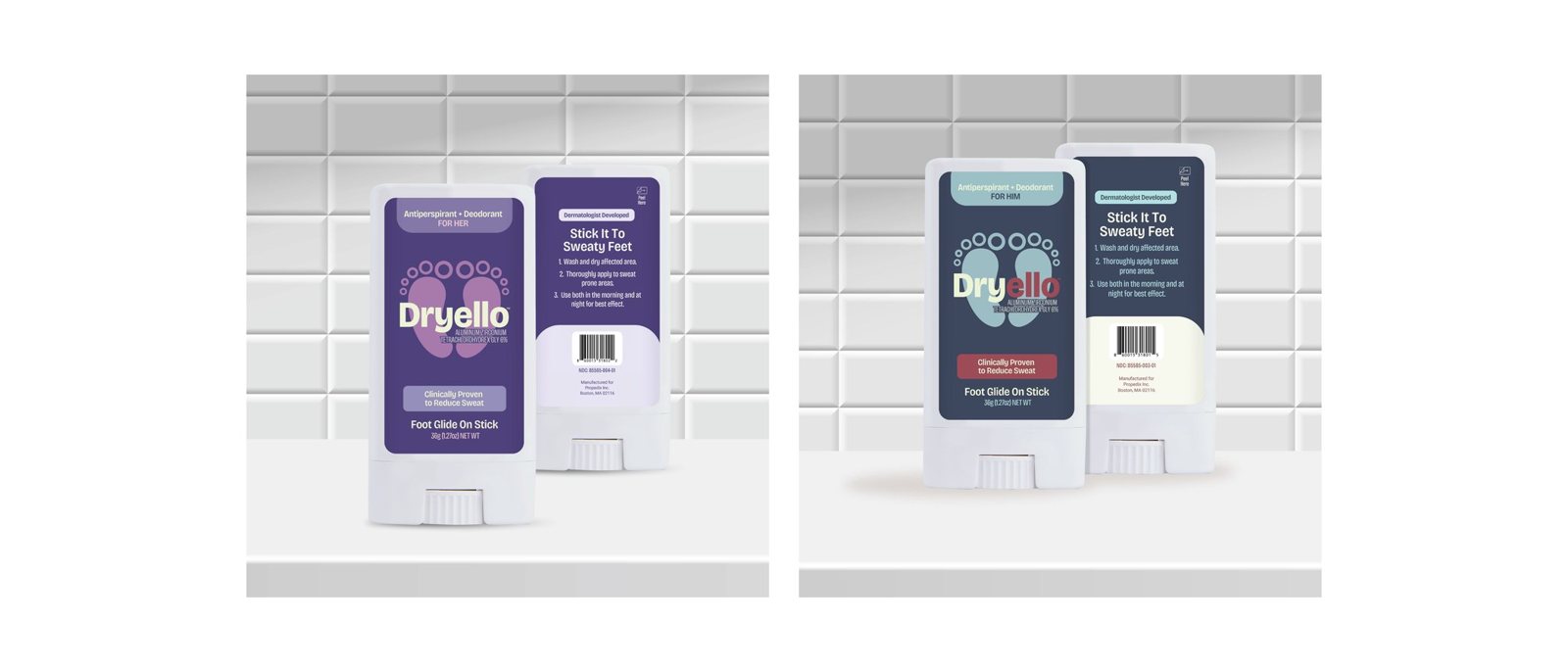
For sweaty feet: Dryello Antiperspirant Deodorant Foot Glide-On Stick
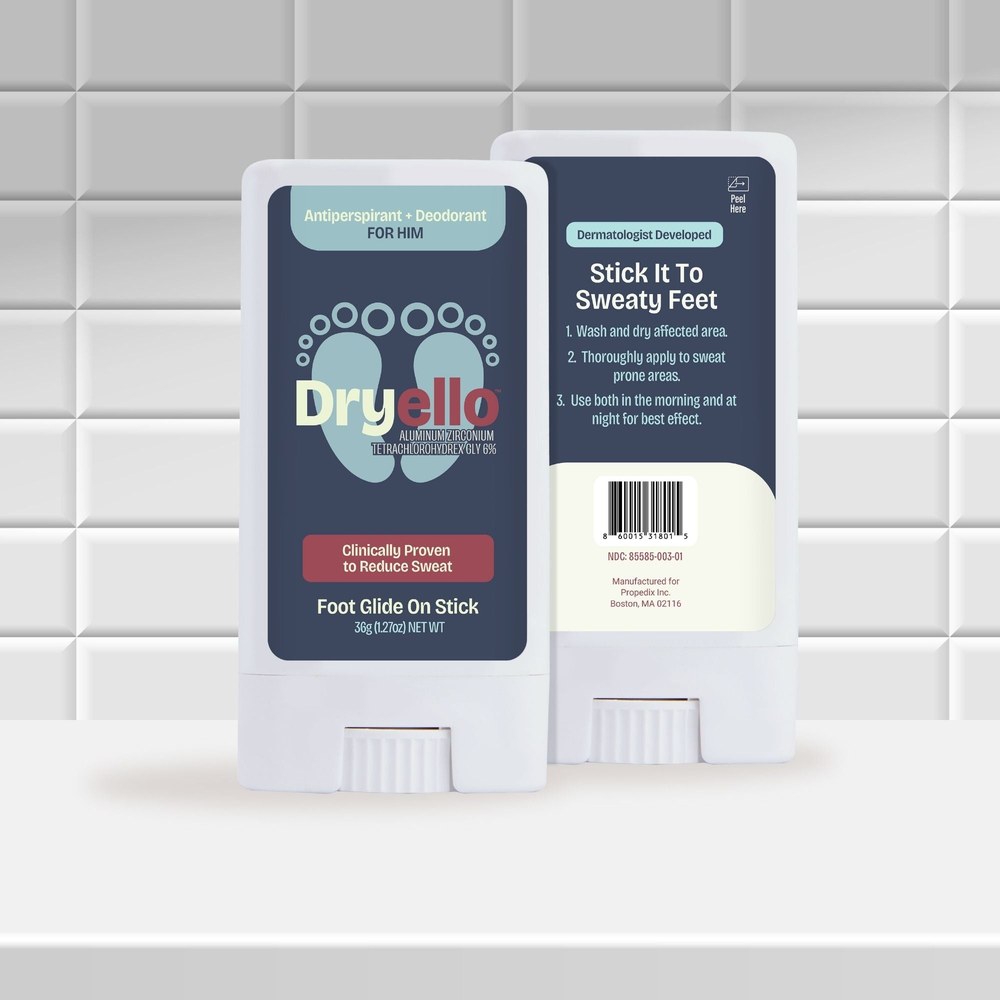
Dryello Foot Antiperspirant, For Him and For Her (sponsored)
- Drug Facts label on DailyMed: aluminum zirconium tetrachlorohydrex gly 6%, purpose antiperspirant, use "reduces sweat."
- Directions: wash and dry the area, then apply with numerous broad strokes, including in crevices.
- A solid glide-on stick made for feet. Dryello says it goes on dry, so socks and court shoes go right on, with no powder in your shoes or spray to wait on.
- Warnings: not for broken skin; stop if a rash or irritation occurs; ask a doctor first if you have kidney disease.
- For Him was in stock on dryello.com on September 25, 2026. For Her, which Dryello describes as having a lighter scent, showed as sold out that day.
Best for: Players whose socks are soaked by the second set and who want a real antiperspirant in a format that won't leak in a racket bag. Both versions are scented (orange peel oil is an inactive ingredient), so skip them if you have fragrance-sensitive skin.
See For Him at dryello.comFor athlete's foot: Dryello Athlete's Foot Treatment Stick
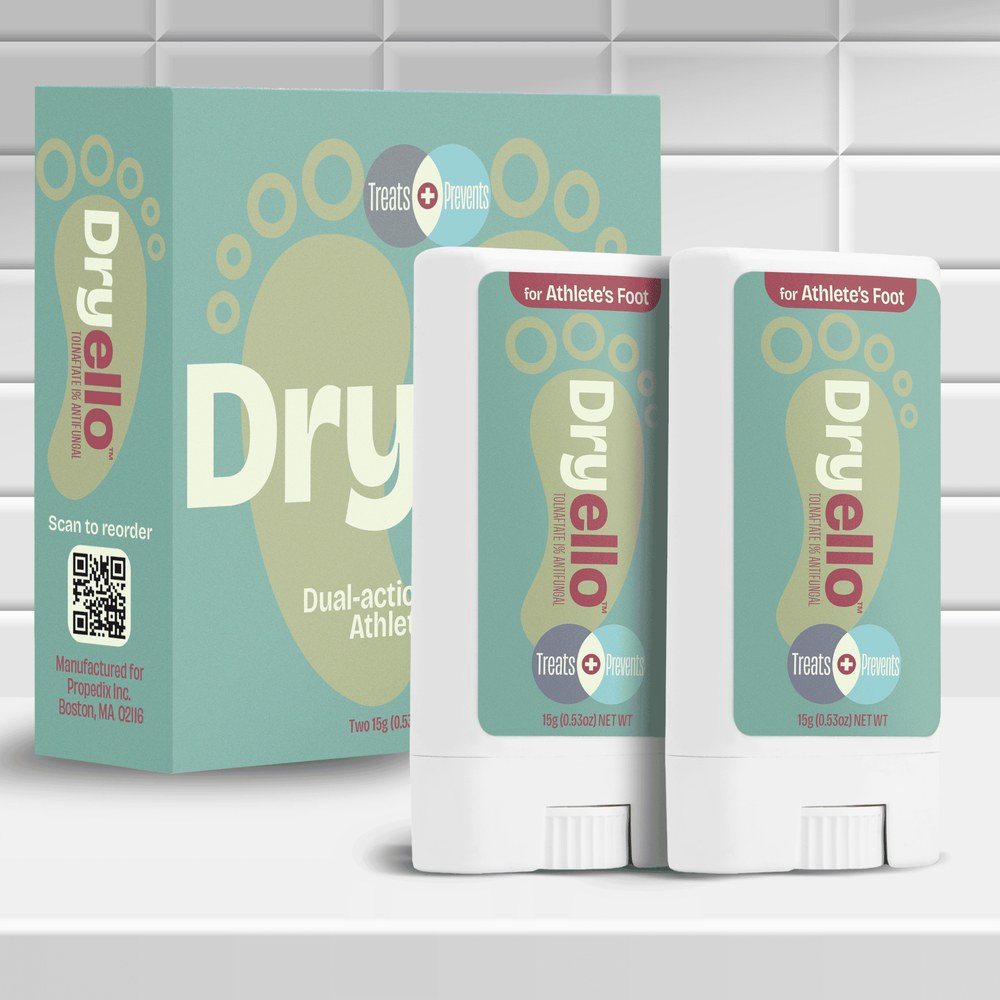
Dryello Athlete's Foot Treatment Stick (sponsored)
- Drug Facts label on DailyMed: tolnaftate 1% antifungal.
- Label uses: cures most athlete's foot; relieves itching, burning, cracking, and scaling; prevents recurrence of most athlete's foot with daily use.
- Label directions: wash and dry feet thoroughly, apply a thin layer twice daily (morning and night), pay special attention to the spaces between the toes, wear well-fitting, ventilated shoes, and change shoes and socks at least once daily.
- Dry glide-on stick, so no cream on your fingers. Dryello's site recommends twice daily for 4 weeks and lists it as HSA/FSA eligible and TSA-friendly.
Best for: Players who already have itchy, peeling skin between the toes, or who keep getting athlete's foot back.
See the stick at dryello.comHow the alternatives compare
If Dryello isn't the right fit, these are real products sold widely. Details come from their Drug Facts labels or the manufacturer. We have no relationship with these brands.
| Product | Type | Active ingredient (label) | Notes for players |
|---|---|---|---|
| Dryello Foot Antiperspirant (sponsored) | OTC antiperspirant | Aluminum zirconium tetrachlorohydrex gly 6% | Glide-on stick; goes on dry, per Dryello; scented |
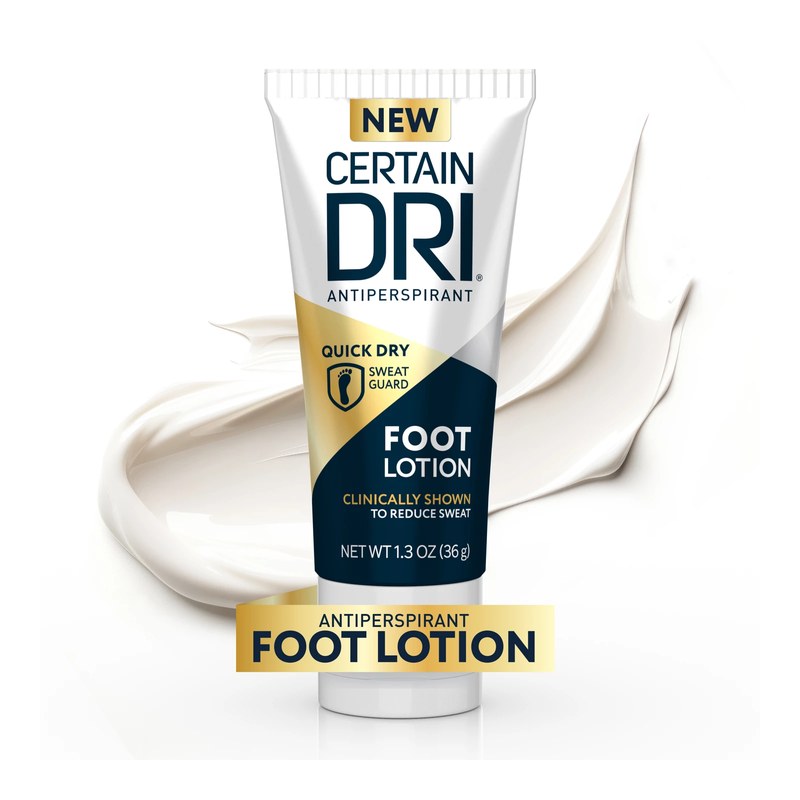
| Certain Dri Antiperspirant Foot Lotion | OTC antiperspirant | Aluminum chloride 15% | Rub into soles for 15 seconds; label calls for nightly use plus up to two more times a day for at least 4 weeks; fragrance-free per the maker |
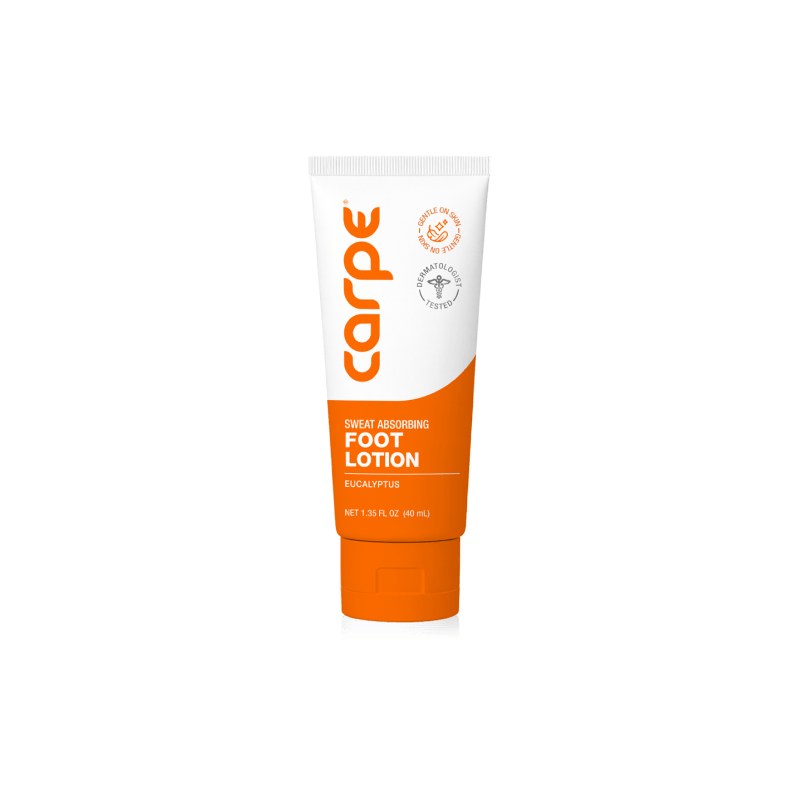
| Carpe Antiperspirant Foot Lotion | OTC antiperspirant | Aluminum sesquichlorohydrate 15% | Lotion with similar directions; contains eucalyptus oil and talc |
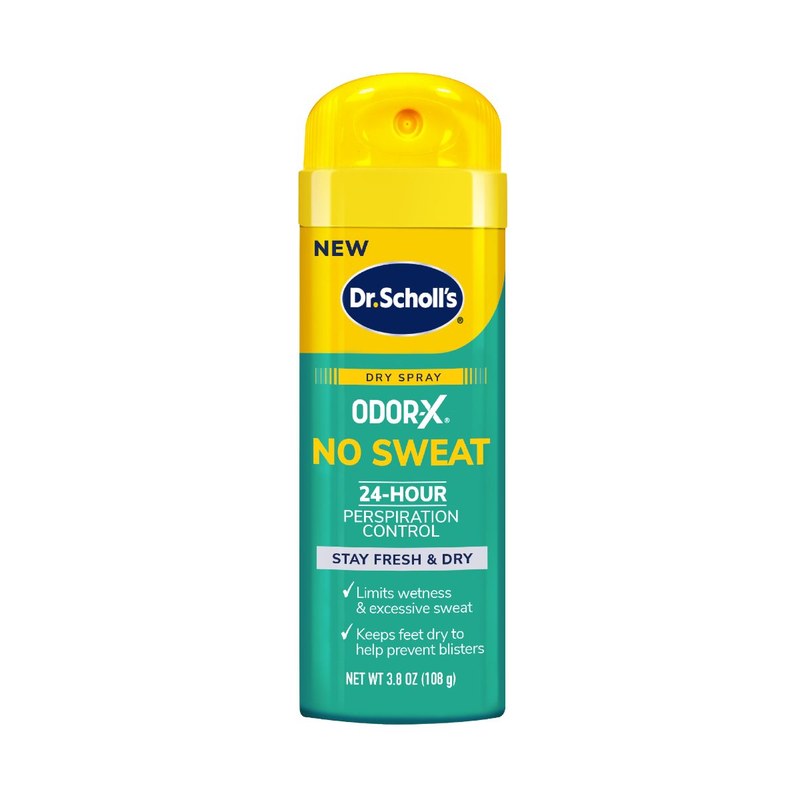
| Dr. Scholl's Odor-X No Sweat Dry Spray | Foot spray | Maker lists potassium alum; no antiperspirant Drug Facts label found | Aerosol; maker claims 24-hour sweat control; contains fragrance |
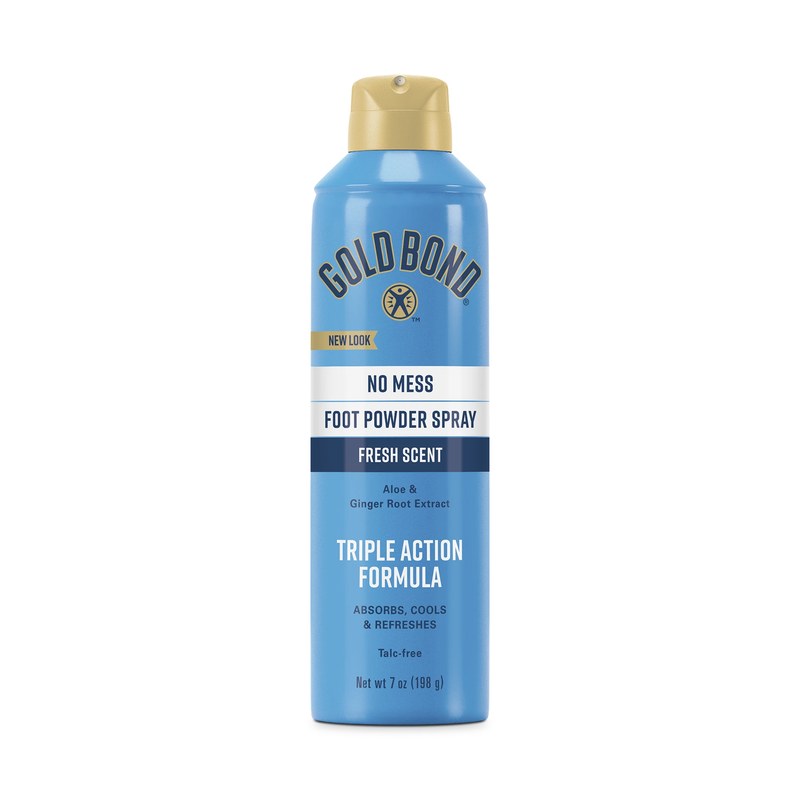
| Gold Bond No Mess Foot Powder Spray | Absorbent powder spray | None listed | Absorbs moisture rather than reducing sweat |
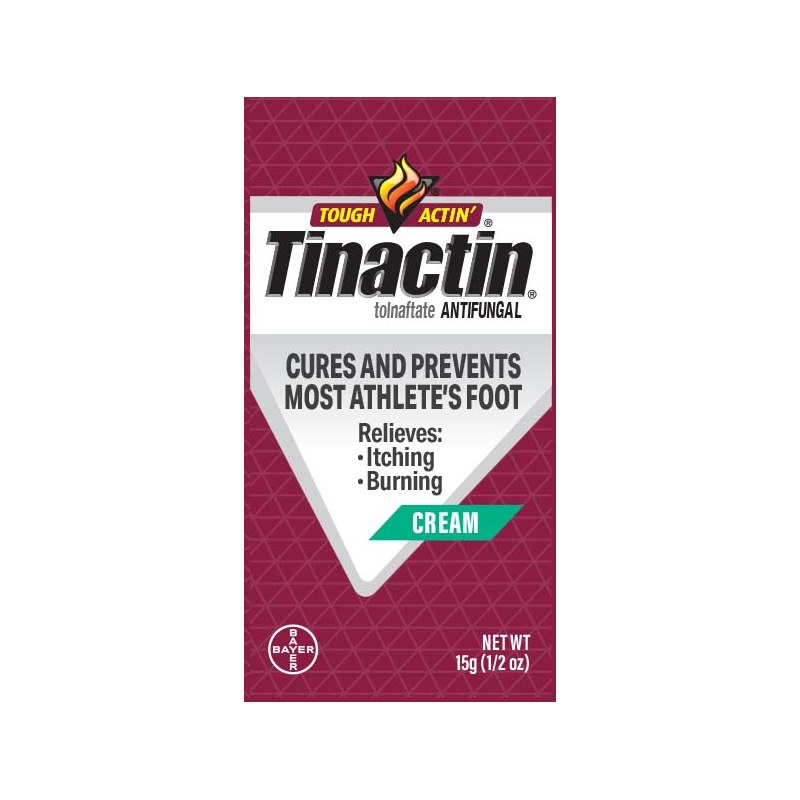
| Tinactin Antifungal Cream | OTC antifungal | Tolnaftate 1% | Same active as the Dryello stick; twice daily for 4 weeks |
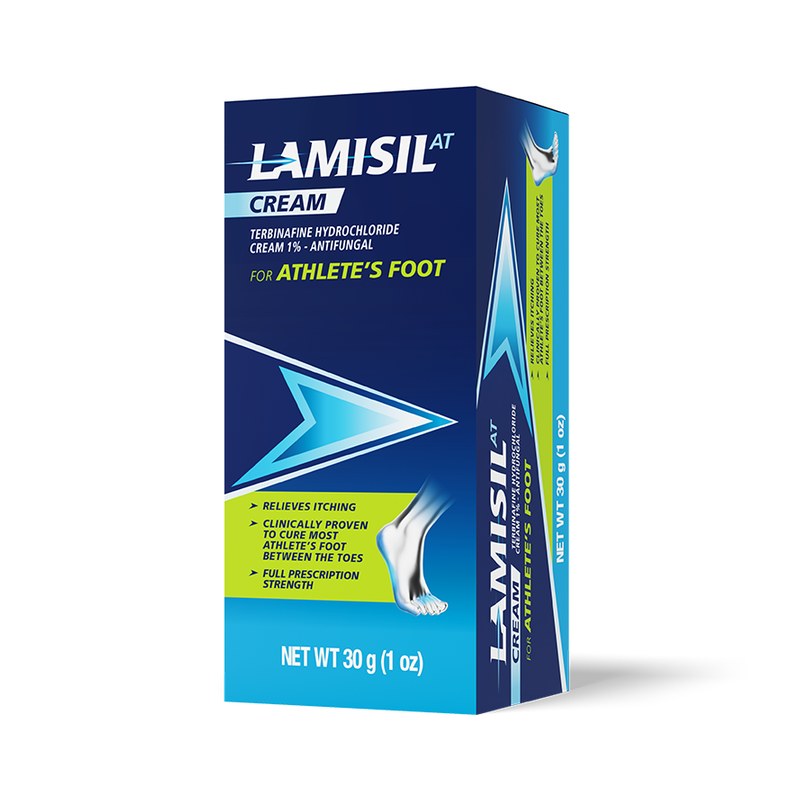
| Lamisil AT Cream | OTC antifungal | Terbinafine HCl 1% | 1 week between the toes; 2 weeks on the bottom or sides; ages 12+ |
For a longer comparison of foot antiperspirants, with pros and cons for each format, see Senior Tech Review's best foot antiperspirants and sweat products. If you have a junior player at home, Mom's Magazine's guide to sweaty, smelly feet in teen athletes covers the kid side.
Do sweaty feet cause athlete's foot?
Not directly. You have to come into contact with the fungus, most often on damp floors in changing rooms and showers, or through shared towels and shoes. But the AAD says the fungus thrives in the warm, moist environment inside hot, sweaty shoes, and recommends keeping feet dry even if you haven't gone barefoot anywhere public. Drier feet are a reasonable part of prevention, alongside slides in the changing room and washing and drying your feet every day.
Can I keep playing while I treat athlete's foot?
Yes, for most people. OTC antifungals are applied at home, morning and night. The keys are finishing the course and keeping shoes and socks dry: the Dryello tolnaftate label says to change shoes and socks at least once daily, and MedlinePlus advises continuing treatment for 1 to 2 weeks after the infection clears. See a clinician if it isn't better in 2 to 4 weeks, if it keeps coming back, or if it spreads to your toenails.
Can I use a foot antiperspirant and an antifungal together?
Neither Dryello label addresses combining them, so ask a pharmacist or doctor if you want to. What the antiperspirant label is clear about is not using it on broken skin, and athlete's foot often cracks the skin between the toes. A cautious approach is to clear the infection first, then add an antiperspirant to healthy skin if sweat is still a problem.
When should a player see a doctor?
Get prompt care for a foot that's swollen, warm, streaked red, draining, or painful, or if you have a fever. MedlinePlus lists these as signs of a possible bacterial infection. See a clinician if athlete's foot isn't better after 2 to 4 weeks of self-care, and talk to one before treating any foot problem yourself if you have diabetes, poor circulation, or numbness in your feet (NIDDK). For recurring blisters, a podiatrist can check your shoe fit and gait. This page is general information, not medical advice.
Frequently asked questions
Why do my feet sweat so much in padel shoes?
Padel is constant short sprints, stops, and lunges in a snug, reinforced court shoe, often on warm turf, so feet produce a lot of sweat with little room for it to escape. The American Academy of Dermatology also lists the soles as one of the most common areas for excessive sweating. Moisture-wicking socks, drying shoes between sessions, and a foot antiperspirant can all help.
Do sweaty feet cause blisters?
They can make blisters more likely. Blisters come from friction, and damp skin and wet socks increase rubbing. A Cleveland Clinic podiatrist notes that people with sweaty feet tend to be more prone to blisters, and the AAD recommends nylon or moisture-wicking socks and properly fitting shoes to prevent them.
Do sweaty feet cause athlete's foot?
Not on their own. Athlete's foot is a fungal infection you pick up from contact, often on locker room and shower floors. But the fungus thrives in warm, moist conditions like the inside of sweaty shoes, and MedlinePlus lists sweating a lot as a risk factor, so keeping feet dry helps prevent it.
Can I keep playing padel if I have athlete's foot?
Generally yes. Over-the-counter antifungals are applied at home, and you can keep playing while you use them. Follow the label: Dryello's tolnaftate label says to apply a thin layer twice daily and change shoes and socks at least once daily. See a doctor if it isn't better in 2 to 4 weeks (MedlinePlus).
Should I use foot powder or antiperspirant for padel?
They do different jobs. An antiperspirant, which has an OTC Drug Facts label with an aluminum-based active ingredient, reduces how much you sweat. Most powders absorb moisture that's already there. The AAD notes antiperspirants reduce sweating and deodorants don't. Some players use both.
Can I put antiperspirant on a blister or cracked skin?
No. Dryello's antiperspirant label, like other antiperspirant labels, says not to use it on broken skin and to stop if a rash or irritation occurs. Let blisters and cracks heal, and treat suspected athlete's foot with an antifungal first.
Sources
- DailyMed, U.S. National Library of Medicine. Dryello Antiperspirant Deodorant Foot Glide-On Stick drug label. Accessed September 25, 2026.
- DailyMed, U.S. National Library of Medicine. Dryello Athlete's Foot Treatment Stick (tolnaftate 1%) drug label. Accessed September 25, 2026.
- American Academy of Dermatology. Hyperhidrosis: 6 tips dermatologists give their patients. Accessed September 25, 2026.
- American Academy of Dermatology. Hyperhidrosis: Signs and symptoms. Accessed September 25, 2026.
- American Academy of Dermatology. How to prevent athlete's foot. Accessed September 25, 2026.
- American Academy of Dermatology. How to prevent and treat blisters. Accessed September 25, 2026.
- Cleveland Clinic. Best ways to prevent and treat foot blisters. Accessed September 25, 2026.
- MedlinePlus, U.S. National Library of Medicine. Athlete's foot (Medical Encyclopedia). Accessed September 25, 2026.
- National Institute of Diabetes and Digestive and Kidney Diseases. Diabetes and foot problems. Accessed September 25, 2026.
Sponsorship disclosure
This article is sponsored by Dryello, a foot-care brand made by ProPedix, Inc. Dryello is a paying client of PadelAnywhere, and Dryello paid for this placement. That is why Dryello products are recommended first on this page. Links to dryello.com are sponsored links (marked rel="sponsored") and include tracking parameters so Dryello can see visits from this page.
We did not lab-test, wear-test, or clinically evaluate any product on this page, and we do not publish reviews or ratings we did not collect. Product details come from each product's FDA-listed Drug Facts label on DailyMed or the manufacturer's own website, and prices come from dryello.com on the date stated. Other brands are mentioned for comparison only; none of them paid to appear and we have no relationship with them. PadelAnywhere's usual Amazon affiliate links are not used on this page.
This article is general information, not medical advice. Always read and follow the product label. Talk to a doctor, podiatrist, or pharmacist about any foot problem that is not improving, and before treating your feet yourself if you have diabetes, poor circulation, or a weakened immune system.